What Is the Best Tooth Replacement Option for Common Dental Issues?
Tooth replacement plays an important role in restoring comfort, confidence, and oral health when one or more teeth go missing. Missing teeth affect chewing, speech, and the appearance of the smile, and they also influence jawbone health over time. Modern dentistry offers several options that address different needs, budgets, and timelines. Understanding the strengths of each solution helps patients work with a general dentist to find the best fit for common dental issues.
When is tooth replacement necessary?
A missing tooth creates more than a cosmetic concern. Neighboring teeth gradually drift into the space, altering the bite and increasing the risk of chips, fractures, or uneven wear. Gaps also trap food and plaque, increasing the risk of gum inflammation and decay on adjacent teeth, thereby impacting overall oral health.
Over time, the jawbone in the empty area receives less stimulation from chewing. Bone volume then decreases, altering facial shape and making future restorations more complex. Tooth replacement options aim to restore function while also protecting long-term oral health. However, it is important to remember that early action often leads to simpler, more predictable treatment.
Common tooth replacement options
Partial and full dentures
When several teeth go missing in different parts of the mouth, removable partial dentures offer a practical approach. These appliances attach to remaining teeth with discreet clasps and fill multiple spaces at once. Partial dentures improve appearance and function while generally offering a more budget-friendly option.
For patients with complete tooth loss in one or both arches, full dentures restore the look of a natural smile and basic chewing ability. Modern materials allow dentures to appear more lifelike and feel more comfortable than older versions. Some patients later choose to upgrade to implant-supported dentures, which combine the coverage of a denture with the stability of implants. Note that there is a high risk of the jawbone disintegrating the longer it goes without teeth, as it has no stimulation. Therefore, the dentist may recommend them as soon as a patient loses a tooth or teeth.
Dental bridges
Dental bridges are another common tooth replacement option, especially when one or two teeth in a row are missing. A bridge connects a false tooth to crowns on the teeth next to the space. This design restores the appearance of a full smile and supports chewing in the affected area.
Bridges typically involve less treatment time than implants and do not require surgery, which appeals to some patients. However, they rely on reshaping the neighboring teeth to hold the crowns. For patients whose adjacent teeth already need crowns, a bridge can serve as an efficient two-in-one solution. Still, regular cleaning under and around the bridge is essential to prevent decay and gum problems.
Dental implants
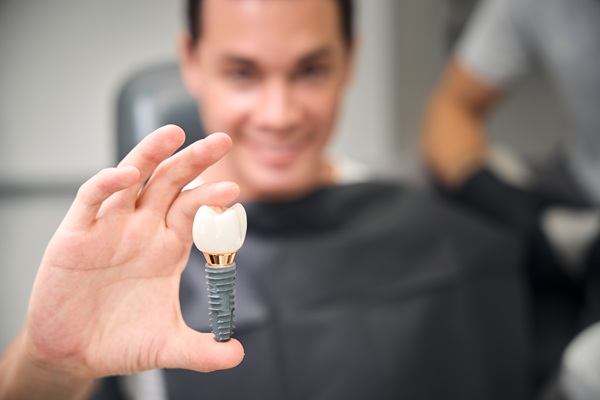
As mentioned, dental implants are another tooth replacement option, and dentists often consider them the gold standard. An implant functions like an artificial root in the jawbone and supports a crown, bridge, or full-arch restoration. Since the implant integrates with bone, it creates strong support for biting and chewing and helps maintain jawbone density.
Implants do not rely on neighboring teeth for stability, so surrounding teeth remain intact. This feature makes implants an excellent option when a single tooth is missing or scattered gaps appear throughout the mouth. Patients who maintain excellent oral hygiene and attend regular checkups often enjoy long-term, and even lifelong, performance from implant-supported restorations.
Matching common dental issues with the right option
The ideal tooth replacement method depends on the pattern and cause of tooth loss. For example, in cases of a single missing tooth, such as from sports trauma, an otherwise healthy mouth often aligns well with an implant and crown as a fixed option or a partial denture as a temporary option. Multiple missing teeth in a row may benefit from either an implant-supported bridge or a traditional bridge, depending on bone levels and the condition of neighboring teeth.
When several teeth in different areas are missing, partial dentures offer broad coverage, while multiple implants create a more fixed solution. Full-arch tooth loss opens the door to traditional dentures or advanced options, such as implant-supported dentures, meaning the denture is supported by four to six implants per arch. A general dentist considers gum health, bone density, medical history, and lifestyle when recommending the most appropriate course of treatment.
Replace missing teeth at Gorfinkel Dentistry
Tooth replacement goes beyond filling visible gaps; it supports jawbone health, protects remaining teeth, and restores comfortable function. Whether the best choice involves implants, bridges, dentures, or a combination, the goal remains the same: a stable, attractive smile that feels natural in daily life. If you are missing one or multiple teeth, do not hesitate to contact Gorfinkel Dentistry to determine which tooth replacement option is most effective for you.
Request an appointment here: https://www.soflodentistinplantation.com or call Gorfinkel Dentistry at (954) 231-5007 for an appointment in our Plantation office.
Check out what others are saying about our dental services on Yelp: Tooth Replacement in Plantation, FL.
Related Posts
A cosmetic dentist offers a range of specialized services, including professional teeth whitening. Teeth whitening by an experienced dental professional often exceeds the effects of over-the-counter products. If you are currently seeking to enhance your smile, it is essential to understand the distinction between professional treatments and over-the-counter options. While each method has its advantages…
A cosmetic dentist is often associated with improving the appearance of the smile, but many treatments also offer important functional and health-related benefits. While patients may seek care for whiter, straighter, or more uniform teeth, cosmetic dentistry can contribute to long-term oral health, structural integrity, and overall confidence. Understanding the full value of cosmetic dental…
Orthodontics guides teeth from crowded or misaligned positions to a balanced smile through a series of planned stages. This specialty focuses on how the teeth, jaws, and bite work together over time. With the right plan, patients move from the first consultation to braces and eventually to beautiful, stable results. Understanding the orthodontic timeline helps…
A cosmetic dentist can be any dentist who helps improve the look of the smile through treatments like whitening, veneers, and clear aligners. Many patients want to know whether they should see a cosmetic dentist or an orthodontist when planning to straighten their teeth. The answer depends on the type of dental issue and the…